



Effective Strategies for Preventing Cracking and Chipping in SCD Wire Drawing Dies
In industries like electronics, automotive, and medical devices, the durability of SCD wire drawing dies plays a crucial role in ensuring production efficiency and the quality of the final product. Single crystal diamond dies (SCD) are renowned for their precision and ability to withstand harsh conditions. However, even these highly durable materials are not immune to cracking and chipping. It is vital for manufacturers to understand how to mitigate these issues to maximize the lifespan and performance of their drawing dies. In this article, we explore the strategies to prevent cracking and chipping in SCD wire drawing dies, focusing on solutions offered by Juxin.
Key Factors Contributing to Cracking and Chipping
There are several factors that can contribute to cracking and chipping in single crystal diamond dies. One of the primary considerations is the material composition and structure of the die itself. SCD wire drawing dies, particularly those manufactured with high-quality single crystal diamonds, can experience microfractures under excessive stress or improper handling. Another significant factor is temperature fluctuations during operation. High or uneven temperatures can cause thermal shock, which leads to the breakdown of the die’s structural integrity. Additionally, mechanical stress caused by excessive pressure or improper die usage can cause wear patterns that eventually lead to cracks or chips.
Practical Approaches to Enhance Die Longevity
To prevent cracking and chipping in SCD wire drawing dies, manufacturers must adopt practical solutions that address key operational factors. Temperature and stress control are vital aspects. Proper cooling systems should be employed to regulate die temperature, particularly during high-speed drawing processes. Selecting the appropriate die for the specific application is equally important. For example, Juxin offers SCD wire drawing dies that are optimized for high-value metals such as gold, copper, and aluminum. These specialized dies can withstand more significant operational demands without compromising performance. Lastly, regular maintenance and monitoring of die conditions are essential. By examining wear patterns and addressing early signs of damage, companies can prevent minor cracks from escalating into more severe issues.
The Role of Juxin SCD Wire Drawing Dies in Mitigating Cracking and Chipping
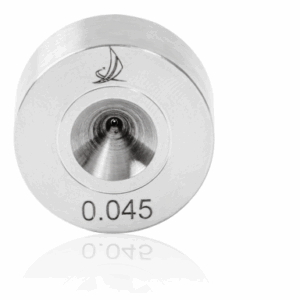
Juxin’s SCD wire drawing dies are designed to combat the challenges of cracking and chipping through superior construction and material quality. Made from 111-oriented diamonds, these dies are known for their predictable wear patterns, ensuring consistent performance over time. Unlike generic alternatives, Juxin SCD wire drawing dies are engineered to handle high temperatures and extreme mechanical stress. This design optimization significantly reduces the chances of cracking and chipping, offering customers a reliable and long-lasting solution. Customers in industries such as bonding wire, medical wire, and EDM wire have consistently praised the durability and performance of Juxin products, ensuring that their production processes remain efficient and trouble-free.
Conclusion
In conclusion, preventing cracking and chipping in SCD wire drawing dies requires careful attention to material quality, temperature control, and operational factors. Manufacturers that invest in high-quality products like Juxin’s SCD wire drawing dies can significantly enhance die longevity and performance. By choosing reliable dies optimized for high-value metals and ensuring proper die maintenance, companies can mitigate the risk of cracks and chips, ensuring smooth production processes and reducing costly downtime. The durability and precision of Juxin products make them a worthwhile investment for any company looking to improve their wire drawing operations.
 English
  Chinese
  Spanish